The digital landscape is a competitive arena where online visibility is paramount for any business aiming to thrive. Among the many strategies, domain authority building techniques stand out as a cornerstone of success. The challenge lies in understanding the intricate relationship between domain authority and user experience, both of which are crucial for ranking and driving organic traffic. This article examines the direct correlation between these two elements, offering practical insights into how enhancing domain authority can significantly improve user engagement, conversion rates, and, ultimately, business growth. We'll explore proven strategies, from foundational SEO practices to advanced content marketing techniques, to help you optimize your online presence and deliver a superior user experience.
- User Experience: The Key to Online Success
- The Direct Connection: Domain and UX Impact
- Building Authority: Strategies for Online Visibility
- SEO Tactics: Enhancing Your Domain's Power
- User Engagement: Techniques for Positive Impact
- Measuring Results: Evaluating Domain Authority Growth
Understanding Domain Authority: The Core Foundation

Domain authority, at its core, is a measure of a website's overall credibility and trustworthiness in the eyes of search engines, primarily Google. It's not a direct ranking factor, but it influences how search engines perceive and rank your site, especially when considered alongside user experience. Think of it as a reputation score for your website, with higher authority signaling to search engines that your content is valuable, reliable, and worthy of a higher ranking. Building this foundation requires a strategic, multi-faceted approach, incorporating both on-page and off-page optimizations.
One of the most important techniques for domain authority building is implementing best practices for search engine optimization (SEO). This includes optimizing your website for mobile, ensuring fast loading times, using descriptive and relevant meta tags, and structuring your site with a logical hierarchy. These practices, while crucial for user experience, also send positive signals to search engines, enhancing your domain's authority. Top-rated domain authority tools can provide insights into areas needing improvement, guiding your SEO strategy.
Social signals play a significant role in domain authority as well. While search engines don't directly factor in "likes" or "shares," the overall social buzz around your content contributes to its perceived value and relevance. Engaging content that encourages social interaction can increase your site's authority. Creating informative blog posts that spark discussions or sharing infographics that are widely shared can positively impact your domain's reputation. Experienced domain recovery specialists emphasize the importance of quickly addressing any penalties or manual actions from search engines, as these can negatively affect your authority. Regularly auditing your site for technical SEO issues and staying up-to-date with industry best practices can help mitigate these risks.
User Experience: The Key to Online Success

User Experience: The Cornerstone of Online Success
In the digital landscape, where users have countless options at their fingertips, delivering an exceptional user experience (UX) is no longer a luxury-it's a necessity. For domain authority building techniques, UX plays a pivotal role in driving organic traffic and search engine rankings. A well-designed, user-friendly website acts as a powerful magnet, luring visitors and encouraging them to explore further, thereby boosting your site's authority in the eyes of both search engines and potential customers.
This statistic underscores the importance of prioritizing UX, especially for local businesses aiming to dominate their regional markets. A nearby domain expert or consultant can provide invaluable insights into optimizing your site for both search engines and users. They can help ensure your site is not only visually appealing and easy to navigate but also packed with relevant, high-quality content that keeps visitors engaged. Implementing internal linking strategies can enhance user navigation and help search engines understand your site's hierarchy, thereby boosting domain authority.
While domain authority is influenced by various factors, including technical SEO and backlink acquisition, UX remains a constant driver of success. Users are quick to abandon a site that is slow, difficult to use, or lacks valuable content. By focusing on their needs and preferences, you not only enhance user experience but also establish your site as a trusted authority in your niche. Remember, the best domain authority for local businesses often stems from a deep understanding of their target audience and a commitment to delivering a seamless UX.
The Direct Connection: Domain and UX Impact

The direct correlation between domain authority and user experience is a critical aspect of modern SEO strategies. Domain authority, a measure of a website's overall quality and trustworthiness, significantly influences how users perceive and interact with a site. A high domain authority signals to search engines that the site is a reliable source of information, leading to better rankings and increased organic traffic. Conversely, a low domain authority can result in lower search engine rankings and reduced user trust, impacting the site's ability to convert visitors into customers.
Social signals play a crucial role in domain authority building techniques. Positive social interactions, such as shares, likes, and comments, contribute to a site's perceived popularity and relevance. Certified SEO specialists leverage these social signals to enhance a website's domain authority, ensuring that it accurately reflects the quality and popularity of the content. A well-optimized social media strategy that encourages user engagement can significantly boost domain authority, making the site more visible in search engine results. Affordable domain authority building services offer a cost-effective way for businesses to improve their online presence without breaking the bank. These services focus on implementing best practices in on-page optimization, backlink acquisition, and content marketing to steadily increase domain authority over time.
User experience (UX) is inextricably linked to domain authority. A user-friendly website with fast loading times, intuitive navigation, and high-quality content tends to have a higher domain authority. On the other hand, sites with poor UX, such as slow loading times, confusing layouts, or irrelevant content, are more likely to have lower domain authority. By prioritizing UX, businesses can not only improve their search engine rankings but also increase user engagement and conversion rates. For small businesses, investing in domain authority building techniques is essential for competing in a crowded online marketplace. Well-crafted domain authority services tailored to their needs can help them establish a strong online presence, attract more visitors, and drive conversions, all while keeping costs manageable.
Building Authority: Strategies for Online Visibility
Building authority online is a multi-faceted strategy that directly impacts a business's user experience and search engine rankings. Domain authority building techniques are essential for increasing a website's visibility and credibility in a crowded digital landscape. A strong domain authority, much like a reputable local business, fosters trust and encourages users to engage.
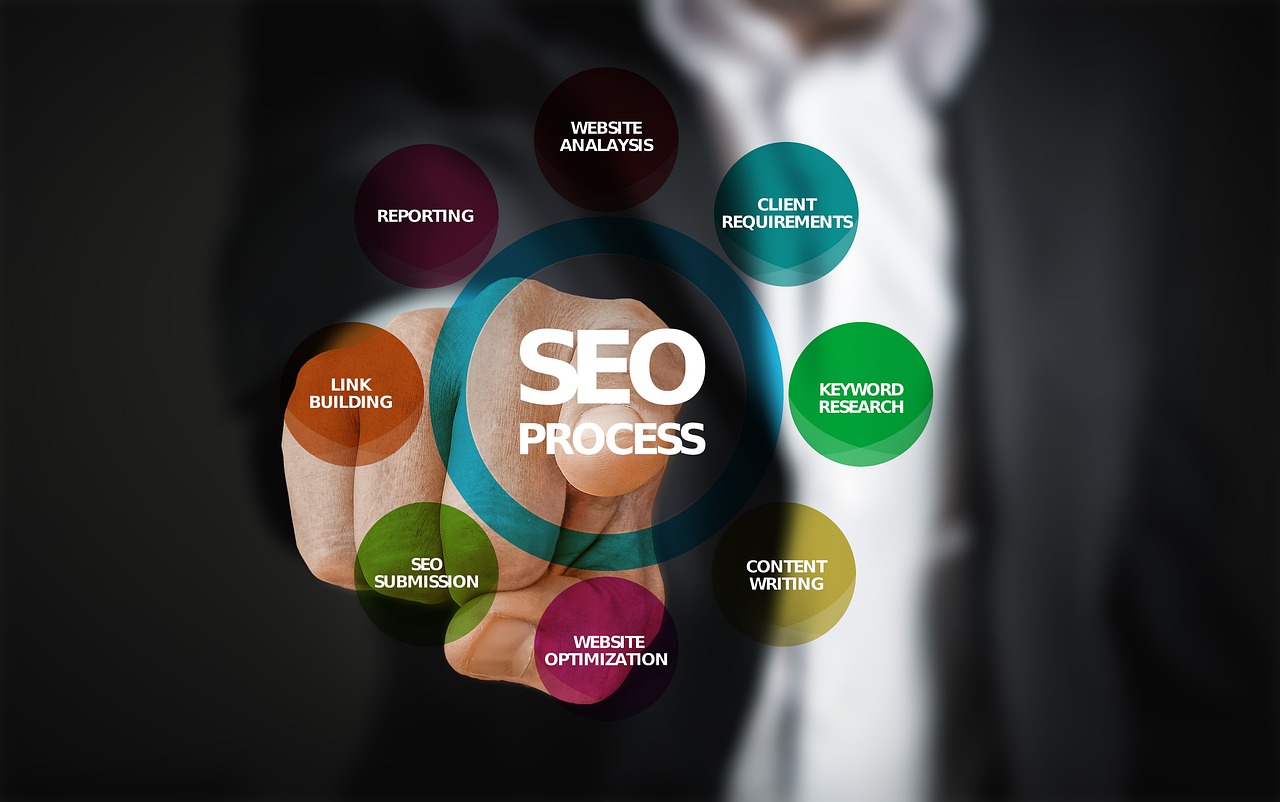
When implementing these techniques, local businesses should focus on foundational strategies, such as adhering to SEO best practices and utilizing tools like Google Search Console to monitor performance. On-page SEO optimization, including proper internal linking and technical optimizations, ensures a seamless user experience while strengthening a site's signal to search engines. Backlink acquisition, a cornerstone of off-page SEO, involves building quality links from authoritative sources relevant to your niche. This strategy not only improves domain authority but also increases organic traffic. A certified SEO specialist can conduct a comprehensive competitor benchmarking analysis to identify opportunities for link-building campaigns.
Engaging in effective content marketing and understanding your audience's needs are crucial. Creating valuable, relevant content that resonates with your target demographic encourages user engagement and sharing, thereby improving your domain's authority. Regularly reviewing domain authority, both through tools and expert consultation, allows for continuous improvement. Local businesses should seek out certified SEO specialists in their area for personalized guidance, leveraging their expertise to stay ahead of the curve in a changing digital environment.
SEO Tactics: Enhancing Your Domain's Power

Domain authority, a measure of a website's trustworthiness in the eyes of search engines, is directly correlated with user experience. A strong domain authority signals to Google that your site offers reliable, high-quality information, making users more likely to spend time on your pages and engage with your content. Conversely, a weak domain authority can lead to lower rankings and fewer visitors, negatively impacting your business growth. This makes enhancing your domain's authority a critical SEO tactic.
Building a robust domain authority requires a multi-faceted approach. First, focus on technical SEO, ensuring your site is mobile-friendly, fast-loading, and optimized for a seamless user experience. A licensed SEO professional can help implement page speed optimization techniques, ensuring your site loads quickly across all devices. This is crucial, as Google's Mobile-First Indexing means mobile performance is increasingly important for rankings. Implementing structured data markup and improving site security through HTTPS protocols can boost your domain's credibility.
Link building remains a cornerstone of domain authority building techniques. Acquiring high-quality backlinks from reputable sources signals to Google that your site is a valuable resource. This can involve reaching out to industry influencers for guest posting opportunities, creating shareable content that naturally attracts links, or participating in link-building campaigns. However, it's essential to focus on building relevant backlinks; links from authoritative sites within your industry are more valuable than those from unrelated or low-quality sources. Professional SEO strategies often employ advanced link-building methods, such as competitor link profiling, to identify high-value backlink opportunities.
Finally, content marketing matters in domain authority. Regularly publishing informative, engaging content on your site demonstrates your expertise and keeps users returning for more. Incorporate relevant keywords naturally, optimize meta titles and descriptions, and ensure your content aligns with user search intent. A startup in the fitness niche could create blog posts on "10 Effective Home Workouts for Busy Professionals" or "How to Build a Sustainable Meal Plan on a Budget." By consistently delivering valuable content, you'll attract organic traffic, improve user engagement, and, in turn, strengthen your domain's authority.
User Engagement: Techniques for Positive Impact

User engagement is a crucial factor in driving up domain authority, which, in turn, significantly impacts search engine rankings. When users interact with your website, it sends positive signals to search engines, indicating that your site offers valuable and relevant content. This interaction can come in various forms, such as page views, time spent on site, and bounce rate. A lower bounce rate, which is the percentage of visitors who leave your site after viewing only one page, suggests that users are finding what they're looking for and are more likely to return.
There are several techniques to optimize user engagement and, by extension, enhance domain authority building techniques. One effective strategy is to tailor content to your target audience's specific needs and interests. This involves conducting thorough market research to understand your niche audience. For local businesses, local domain authority optimization is paramount. This involves optimizing your website for local search results by incorporating location-specific keywords, claiming and verifying your Google My Business listing, and receiving positive reviews from local customers. A nearby domain expert in a small town can improve their local SEO by creating location-focused blog posts and encouraging satisfied patrons to leave reviews.
Another powerful method to boost user engagement is by leveraging internal linking. This involves strategically placing links within your website's content to connect relevant pages. Not only does this help users navigate your site more easily, but it also allows search engines to crawl and index your pages more efficiently. Internal linking can help distribute link equity across your site, strengthening the overall domain authority. Niche domain authority strategies can be further enhanced by fostering user interaction through comments sections, forums, or Q&A features, encouraging users to share their experiences and insights. These interactive elements not only improve user engagement but also provide valuable user-generated content that can be leveraged for future marketing efforts.
Measuring Results: Evaluating Domain Authority Growth
Measuring the results of your domain authority building techniques is crucial for understanding the impact of your SEO efforts on your startup's online visibility and ultimately, its growth. Tracking domain authority growth provides tangible evidence of your website's health and performance in search engine rankings.
The best domain authority for local businesses often lies in consistent, high-quality content that caters to their specific audience and demonstrates expertise in their niche. This strategy is reinforced through effective on-page optimization and a robust technical SEO foundation. Implementing structured data markup and ensuring a mobile-first indexing setup can significantly boost domain authority. When a startup's website achieves a strong domain authority, it becomes more visible to search engines, resulting in higher rankings for relevant keywords.
Evaluating domain authority growth requires utilizing tools like Google Search Console and dedicated SEO analytics platforms. These tools provide insights into your website's performance, including organic traffic, keyword rankings, and backlink profiles. By regularly monitoring these metrics, you can identify trends, pinpoint areas needing improvement, and make data-driven decisions. If you notice a decline in domain authority, a thorough review of recent changes to your website or a possible Google penalty might be in order. Experienced domain recovery specialists can provide guidance in such cases, helping to restore your website's authority and online reputation. Engaging the services of reputable domain authority consultants can accelerate the process, ensuring your startup's online presence remains competitive and robust.
Frequently Asked Questions About Domain Authority and User Experience: A Direct Correlation
What is Domain Authority and why is it important for SEO?
Domain Authority (DA) is a measure of a website's overall strength and credibility within a specific industry or market. It's a complex algorithm that takes into account numerous factors, like the quality of backlinks, the age of the domain, and the relevance of content. A higher DA signals to search engines that your website is a trusted source, making it more likely to rank higher in organic search results. In essence, it's a sign of your site's authority and expertise in its niche.
How does User Experience (UX) influence Domain Authority?
A positive User Experience directly contributes to improved Domain Authority. Search engines like Google prioritize websites that offer a seamless, intuitive, and enjoyable user journey. This includes fast loading times, mobile responsiveness, easy navigation, and high levels of engagement (e.g., time spent on page, bounce rate). When users have a great experience on your site, they're more likely to convert, share it, and return. This increased interaction signals to search engines that your site delivers value, enhancing your DA.
Can improving UX actually boost my search rankings?
Absolutely. While search engines initially focused on DA factors, modern algorithms recognize the direct correlation between UX and user behavior. By enhancing UX, you can reduce bounce rates, increase time spent on page, and encourage social sharing. These behavioral cues act as powerful signals to search engines, indicating that your site is valuable and relevant to users. As a result, search engines are more likely to elevate your site in search results, leading to increased organic traffic.
What are some specific UX changes that can positively impact DA?
Focus on making your site fast, mobile-friendly, and easy to navigate. Optimize page load times, ensure your design is responsive across devices, and organize your content logically. Implement clear calls to action, and make sure your website is accessible and usable for all users, including those with disabilities. These improvements not only enhance UX but also send positive signals to search engines, indirectly boosting your Domain Authority.
How does the role of Domain Authority change when considering new SEO strategies?
Domain Authority remains a crucial component of SEO, but its importance is evolving. With the rise of voice search and more sophisticated user expectations, the focus has shifted towards providing valuable, relevant content. While DA still matters, it's now equally important to prioritize content quality, keyword optimization, and building high-quality backlinks from reputable sources. A balanced approach that incorporates both DA-building tactics and content-focused strategies is essential for long-term success.
Are there any recent studies that support the link between Domain Authority and UX?
While specific studies may not always be publicly available or attributed, the relationship between DA and UX is widely recognized in the SEO community. Numerous industry reports and case studies consistently demonstrate that websites with higher DA tend to have better UX metrics.
Understanding and enhancing domain authority is crucial for any startup's online success. By integrating these key insights, you can directly improve your user experience and boost your website's visibility.
From foundational SEO best practices to advanced content marketing strategies, every aspect of your online presence contributes to building a strong domain authority. Technical optimizations, strategic backlink acquisition, and competitive market research form the backbone of your SEO efforts.
User engagement plays a pivotal role in this equation. By creating compelling content and optimizing for mobile-first indexing, you attract and retain visitors, driving up your domain's power and performance. Regularly measuring and evaluating your domain authority growth allows you to adapt and refine your strategies, ensuring continuous improvement.
Next steps include implementing these techniques, monitoring your progress through Google Search Console, and considering outsourcing or consulting for specialized domain authority services. The direct correlation between domain authority and user experience underscores the importance of a well-rounded, data-driven approach to SEO, ultimately driving business growth.
Domain Authority Building for Startups:
Domain authority, a website's trustworthiness signal to search engines, is crucial for startup SEO. It's influenced by technical SEO, user experience, and backlink quality. Key strategies include:
- Implement SEO Best Practices: Optimize for mobile, speed, meta tags, and site structure for user experience.
- Focus on User Engagement: Lower bounce rates and increase time on site signal positive user experience.
- Build Quality Backlinks: Acquire high-value links from relevant, authoritative sources through guest posting, shareable content, and link-building campaigns.
- Create Engaging Content: Regularly publish valuable, keyword-rich content to attract organic traffic and boost domain authority.
- Monitor and Adjust: Use tools like Google Search Console and SEO analytics platforms to track domain authority growth, identify issues, and make data-driven decisions.
- Seek Expert Guidance: Consult domain authority specialists for personalized strategies, especially for local businesses aiming for regional dominance.